Eco-Warriors Detailed Concept
Last updated: 7. Feb 2026
Learning Game Design
After exploring the world of game design, I decided it was time to create my own fictional game concept. This process differed significantly from the structured approaches I had encountered in HCI, leaning more heavily on creative writing and imaginative exploration.
An Interactive Warning
My initial idea centered around crafting an interactive experience to highlight the profound environmental and societal impacts of ongoing pollution. The story is set in a dystopian future, where humanity has surpassed the point of no return and must navigate the harsh realities of this transformed world.
Design Influences and Direction
Inspired by games like The Last of Us, Death Stranding, and The Forest, I explored themes of survival, horror, and futurism. That exploration led to Eco-Warriors, a concept set in a future shaped by human impact and the resilience needed to endure it.
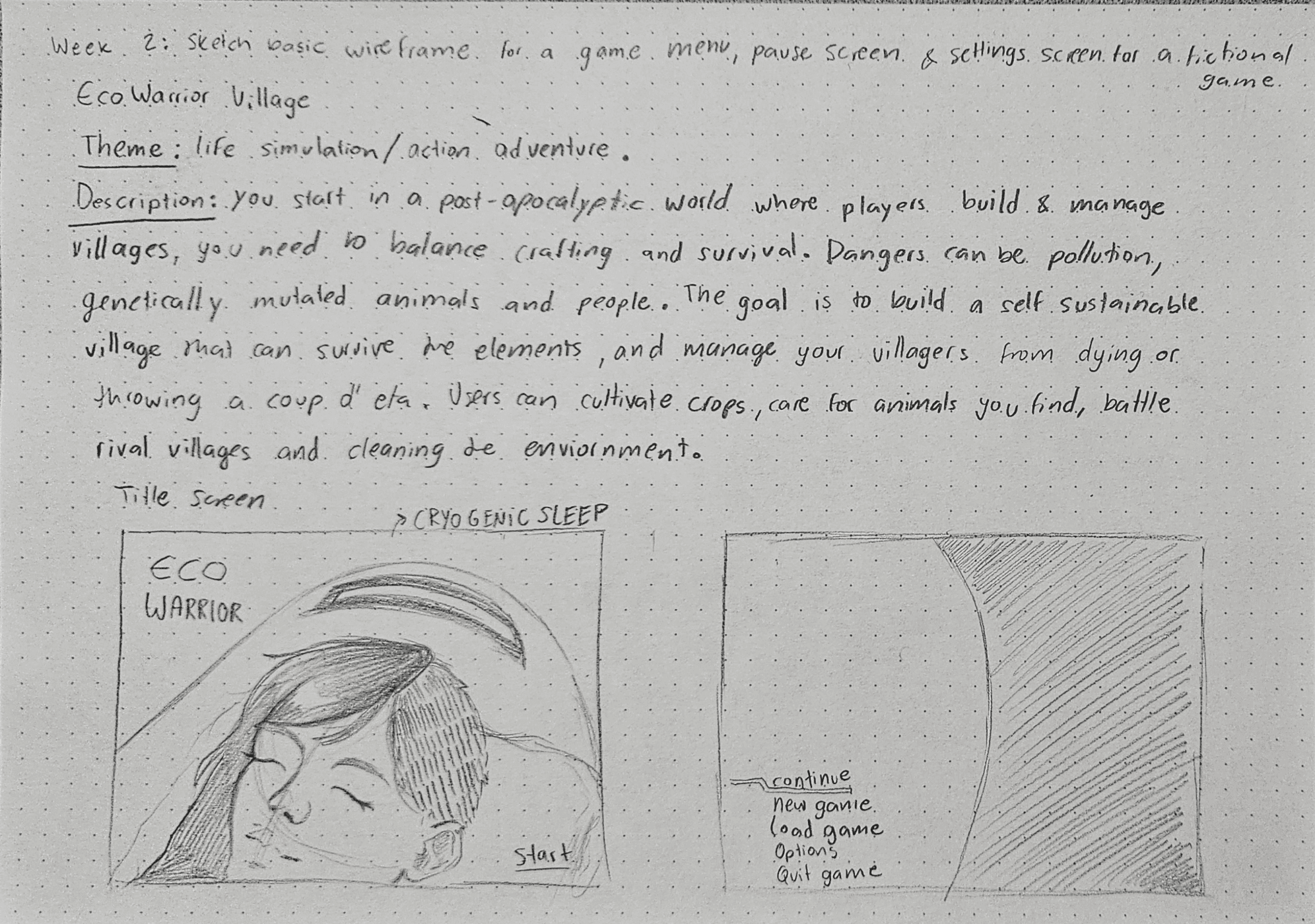
Story
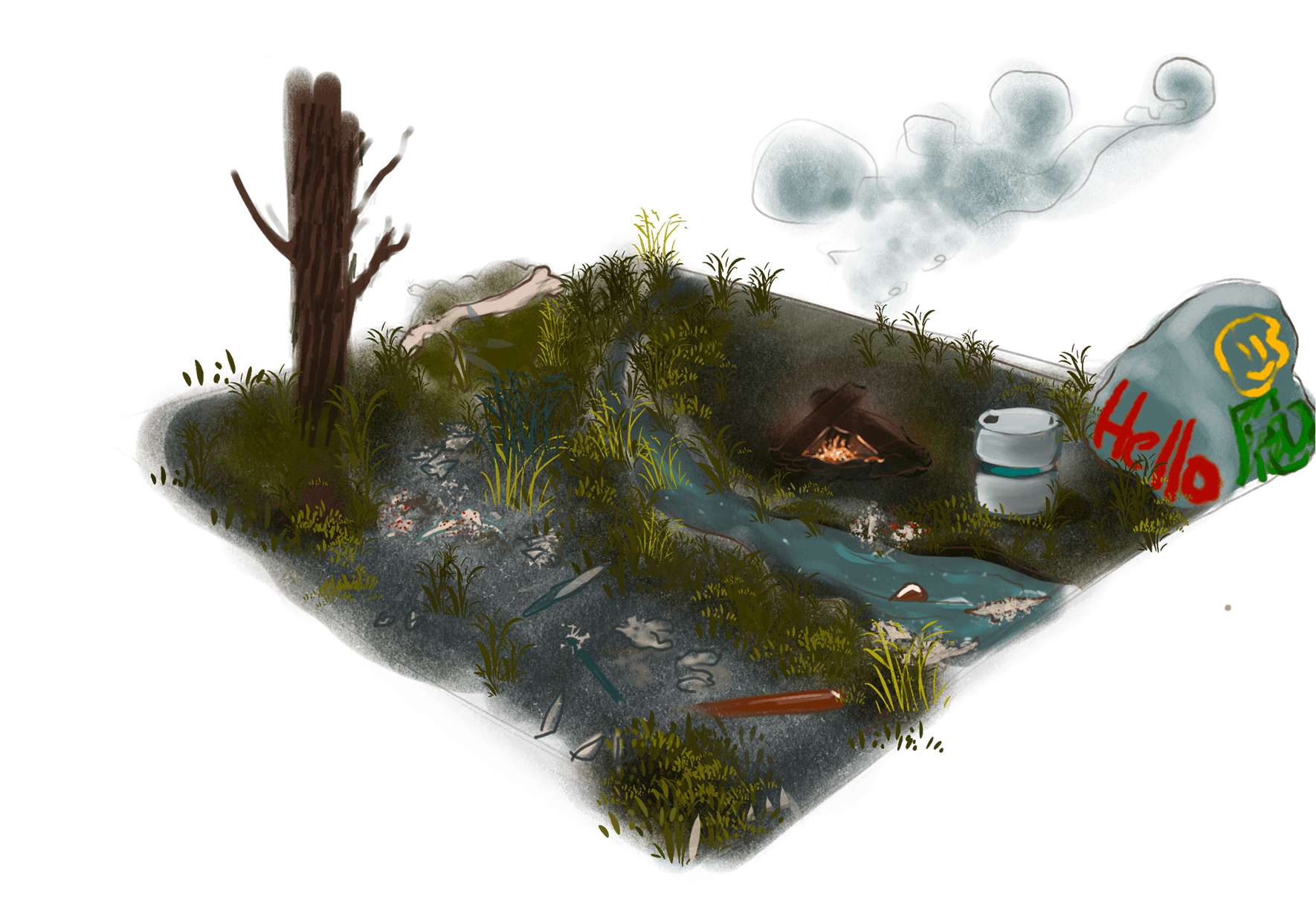
Set in a dystopian future, you wake up from a deep slumber. Humanity resorted to cryogenic sleep chambers in the hope that the atmosphere would become breathable once again. That moment has finally arrived, as you are awakened by the rays of dawn in a new world. You set out on a jour ney to find others like you, hoping to rebuild the fragments of an old civilization.
Navigate a world that is both familiar and foreign. Meeting your basic necessities will prove to be a daily challenge we once took for granted.
Find others to aid you in your quest for survival. world. Friend or foe? It's one of the many risks you'll have to face in this new world.
Do you have what it takes to survive?
Goal
Rebuild civilization, or what’s rest of it.
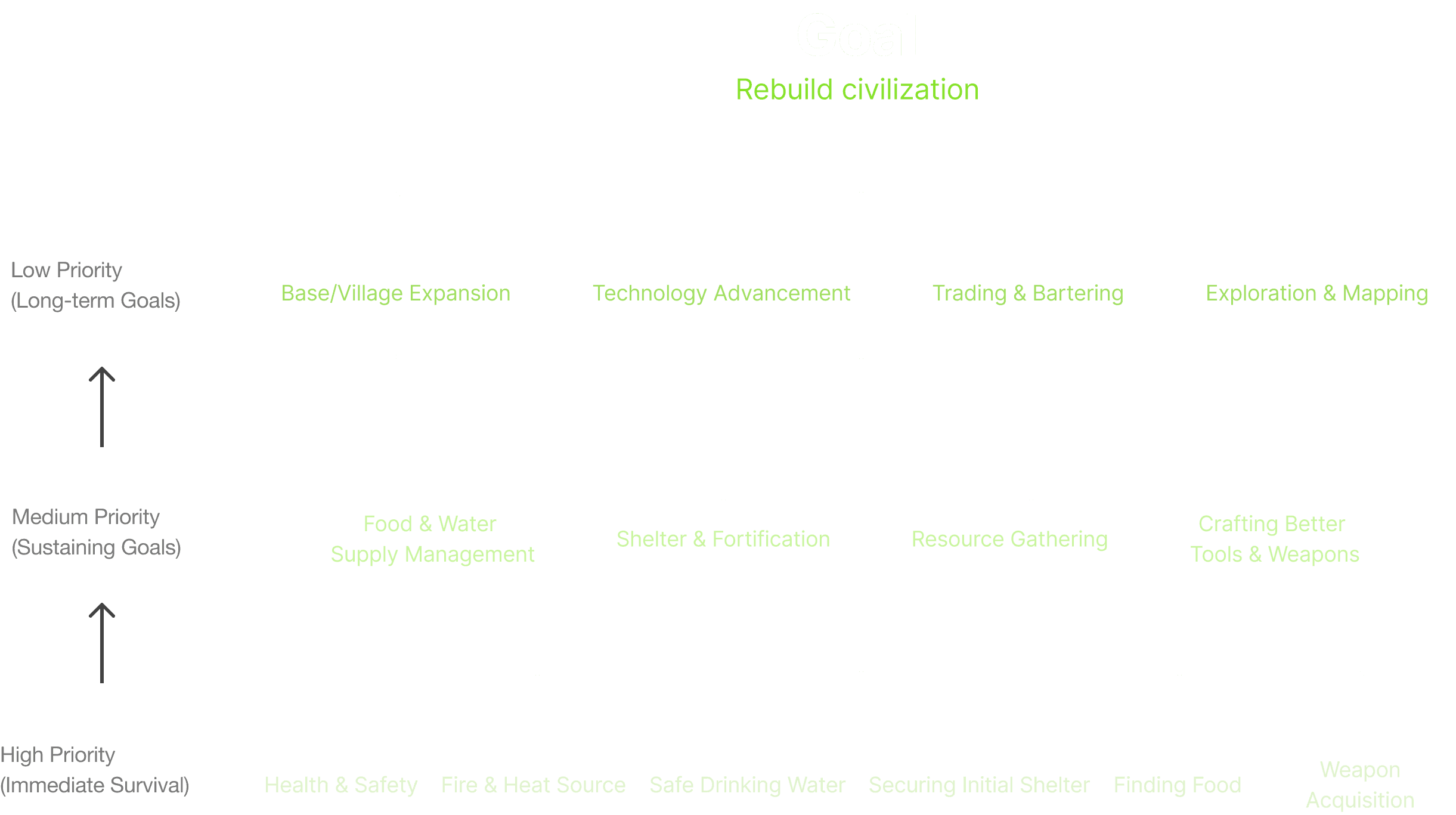
When do you rebuild civilization?
The goal of the game is complete once you build your camp to a village to eventually a town. This would take players a considerable amount of time considering the hardships of the world.
The official ending would be after the story section of the game is complete, which would consist of multiple main quests to advance the story. There would also be side quests that can reveal more information about the world, and it would also provide more resources towards completing the main goal.
Purpose
This game aims to highlight the devastating impact of environmental pollution, showing how our world could reach a point of no return.
As players navigate a harsh, decaying world and fight for survival, they’ll experience firsthand the consequences of humanity's actions. The game also explores the complexity of human nature; players can choose to work together, benefiting both themselves and their surroundings , or face the threat of more dangerous enemies who believe the world would thrive without humans.
Metrics & Research
In order to measure this game satisfaction, we can establish certain game metrics to ensure a successful user experience.
Input: The physical input for this game would be through the keyboard, or game controller.
Response: The game would interact to players input in real-time, for example: Enemies attacks would require a high and continues set of inputs and in response the enemy will react to them.
Context: The world would have collision detection and level design, on real-time control.
Polish: Ideally the game would be polish and have a similar feel to that of The Forest, with a mix of breath of the wild. Adding minute details to make the game more intuitive and enjoyable.
Metaphor: The game's representation is that of a 3rd person POV, featuring similarities between survival games like The Forest and design qualities of Death stranding, that way we can shape player expectations regarding game behavior and interaction.
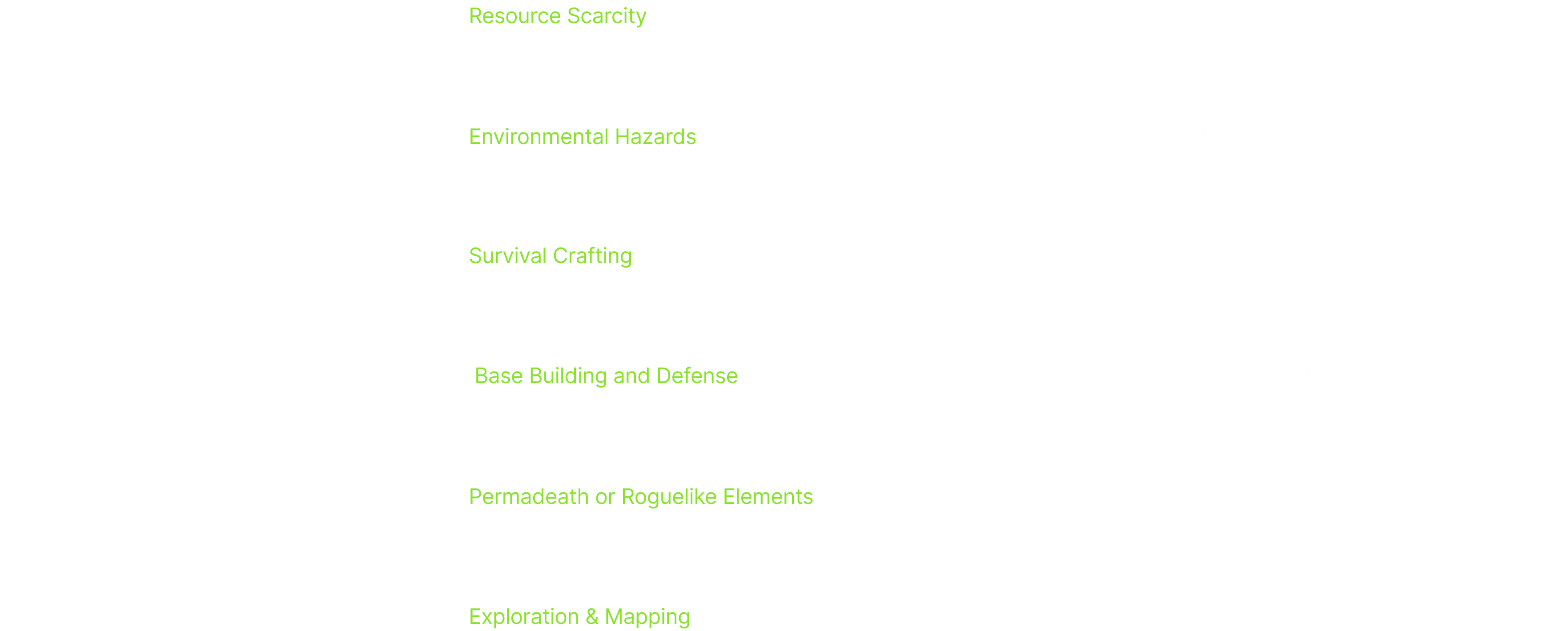
Detailed Game Mechanics
Resource Scarcity
Limited Supplies
Basic necessities like food, water, and medical supplies are scarce. Players need to explore dangerous environments to scavenge for them.
Item Degradation
Weapons and tools degrade with use, adding tension by forcing players to constantly be on the lookout for replacements or repairs.
Environmental Hazards
Dynamic Weather
Conditions like fog, rain, or wind affect visibility, sound, and movement, making exploration more dangerous and unpredictable.
Environmental Puzzles
Solve puzzles that require manipulating your environment (e.g., creating bridges with debris, setting traps for enemies, or cutting off a power source to weaken a dangerous area).
Survival Crafting
Crafting System
The player can craft tools, weapons, and survival items from materials they gather. Some items have multiple uses but degrade faster, forcing strategic decision-making.
Modular Equipment
Customize weapons and tools based on available resources. Players must decide whether to upgrade equipment or save materials for emergencies.
Bases
Base Building and Defense
The player can build makeshift shelters in safe zones, but they are vulnerable to enemy attacks. Defend your shelter by setting traps or fortifying it.
Time-Limited Safety
Safe zones provide only temporary relief. The game forces the player to move between shelters or risk staying in one place too long.
Consequences
Permanent Death
Losing all health results in a game over. Players can unlock shortcuts, gather permanent upgrades, or carry over limited items between runs to balance the difficulty.
Respawn with Consequences
Players can respawn after dying, but the world becomes more hostile, or key resources are permanently lost, making survival harder.
Temporary Solutions
Temporary Shelters
The player can build makeshift shelters in safe zones, but they are vulnerable to enemy attacks. Defend your shelter by setting traps or fortifying it.
Time-Limited Safety
Safe zones provide only temporary relief. The game forces the player to move between shelters or risk staying in one place too long.
Target User
The target user for this game would be for anyone over 13, PG-13. Primarily appealing to adults that have experience with PC games, and that are craving the satisfaction of playing a horror survival game. It would appeal to players who enjoy:
Survival and Exploration Games: Being able to navigate a world where basic necessities are a challenge and the need to find others creates it a survival-focused experience. Fans of The Forest, SubNautica, or Rust would be interested.
Post-Apocalyptic and Dystopian Games: Players drawn to dystopian or post-apocalyptic narratives, or that enjoy exploring ruined worlds and trying to rebuild civilization. Fans of Fallout, The Last of Us, or Metro Exodus would be interested.
Decision-Making and Trust Dynamics: The "friend or foe" hints at potential alliances, betrayals, or moral decisions, making it attractive to players who enjoy narrative-driven games. Fans of Telltale’s The Walking Dead, or Frostpunk would be intereste
Collaborative and Multiplayer Gameplay: Apart from the potential alliances and betrayals. The game would feature a multiplayer and collaborative mode to drive the point of the power in numbers when it comes to cleaning Earth. Fans of multiplayer games like The Forest, or Rust would be interested.
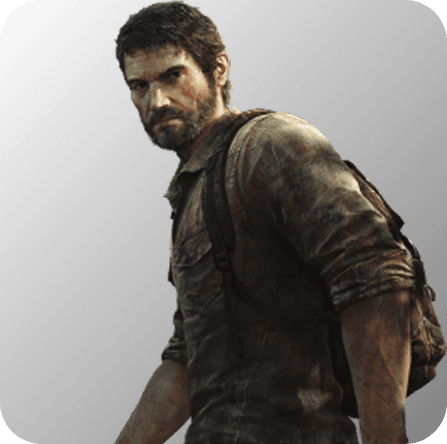
Joel2000
24 year old, male, software developer
Overview
Joel is a 24 y/o frequent gamer that plays in spurts, on an easy going week he is able to play around 15 hours. When a new game is released he is able to play up to 30 hours when he finds a new survival game to play with his online friends.
Preferred Platform: PC, Console (PlayStation/Xbox)
Favorite Games: Rust, PUBG, and ARK: Survival Evolved
Favorite Genres: Survival, Multiplayer, FPS
Motivations: Immersion in a rich world, multiplayer gameplay and strategic decision-making
Gaming Habits: Plays 10-15 hours weekly, primarily focused on survival games, RPGs, and open-world exploration.
Needs
Joel plays games to unwind and wants fun, moderately challenging experiences without frustration. He prefers PC or PS4 and likes games he can enjoy both solo and with friends.
Wants
Joel looks for high value games with strong gameplay and replayability. He prefers multiplayer, open ended experiences that let him choose his own playstyle instead of following a fixed story.
Pain Points
Joel gets bored by grindy survival mechanics and frustrated by choices that do not matter. He enjoys challenge but not punishing or unrewarding progression, and he dislikes confusing controls or UI.
Inspiration
Inspired by survival, narrative-driven games and real-world environmental themes, this concept uses environmental storytelling and resource-focused mechanics to shape its tone and player experience.
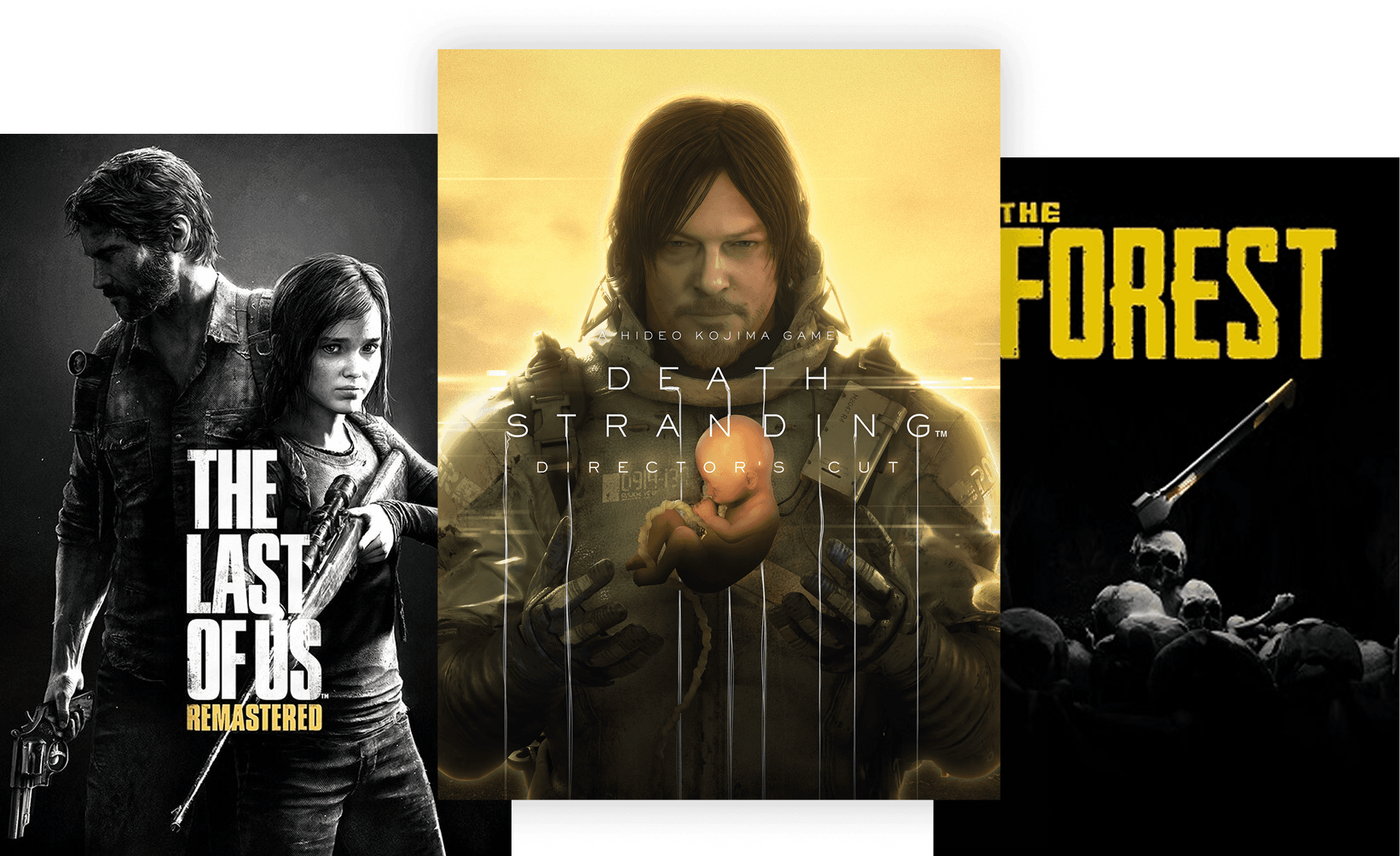
The Last of Us
The game is about a zombie outbreak, where you have to survive in a post-apocalyptic world, which means you have fighting, crafting, and survival elements that you need to balance. The game is also very story heavy, so you play through different chapters of the game.
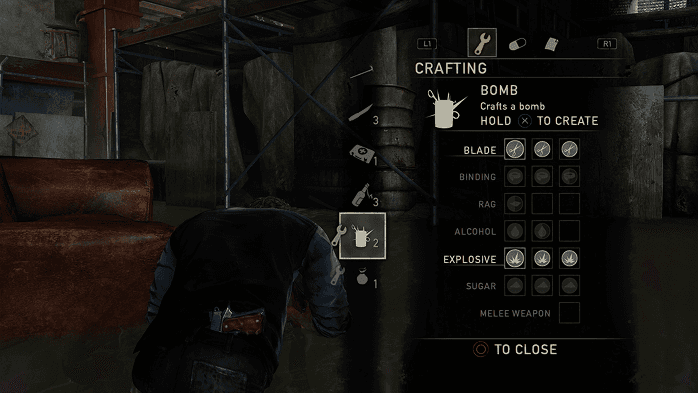
Weapons Menu
Since the game came out in 2013, the UI is a bit outdated, but it served its purpose well, and it shows how you can use different materials to build different weapons or health that you can use throughout the game.
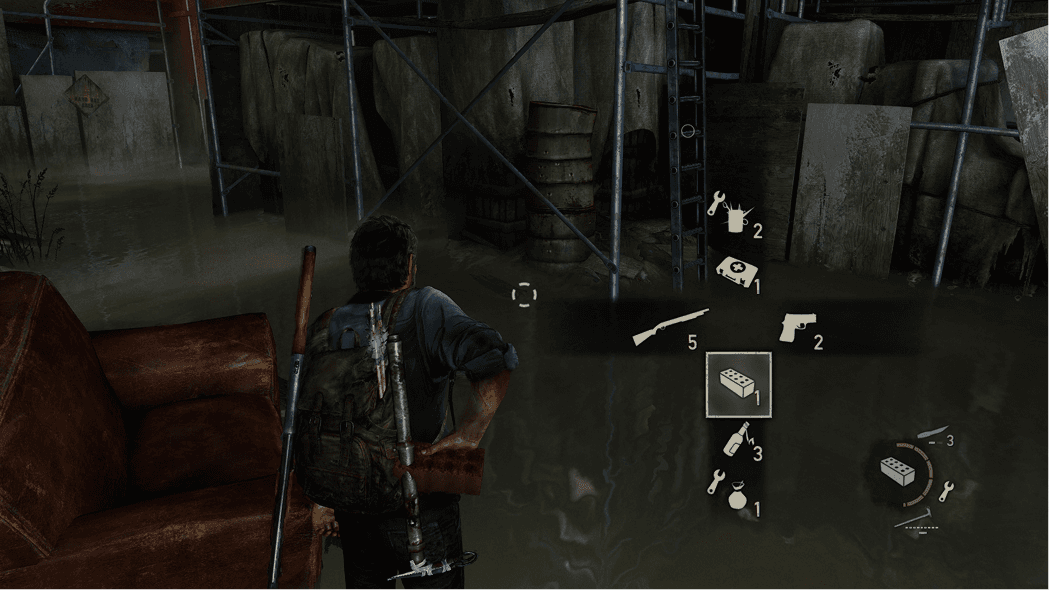
Crafting Menu
The game also allows for distinct weapons and the user can customize the place of all of them for an easier and personalized experience, similar to before the UI might be a bit outdated, but it still holds up to today.
Death Stranding
The game relies on delivering cargo in a futuristic environment, there are many dangers that has made cargo delivery extremely hard. This feature impacts the design of the UI and needed functionality.
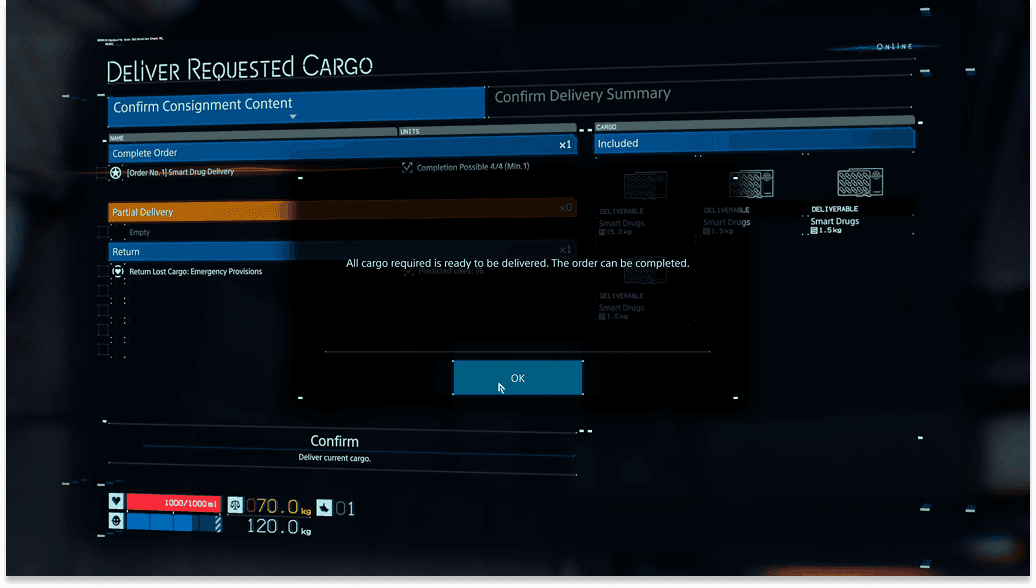
Deliver Requested Cargo
This screen shows one of the key screens in which you deliver the cargo. It shows the cargo order, date, and included material inside of the cargo.
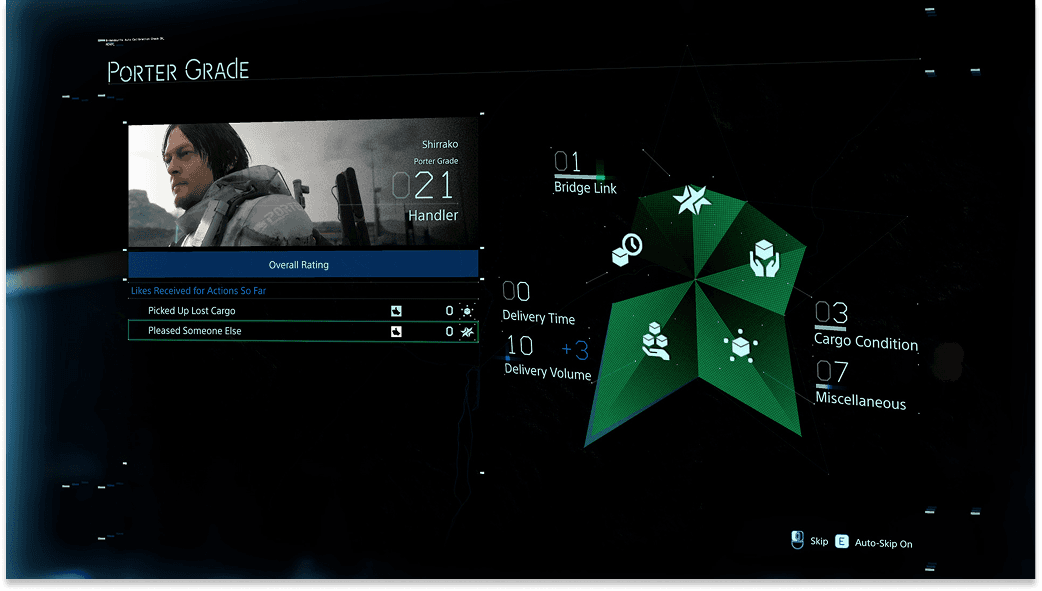
Porter Cargo
This screen shows the grade of your cargo, so you get graded based on delivery time, volume, condition and miscellaneous (delivering optimal needed material)
The Forest
The game is about surviving in a forest after a plane crashes and you are the lone survivor. Similar to other survival games, you have a complex crafting mechanism and inventory menu.
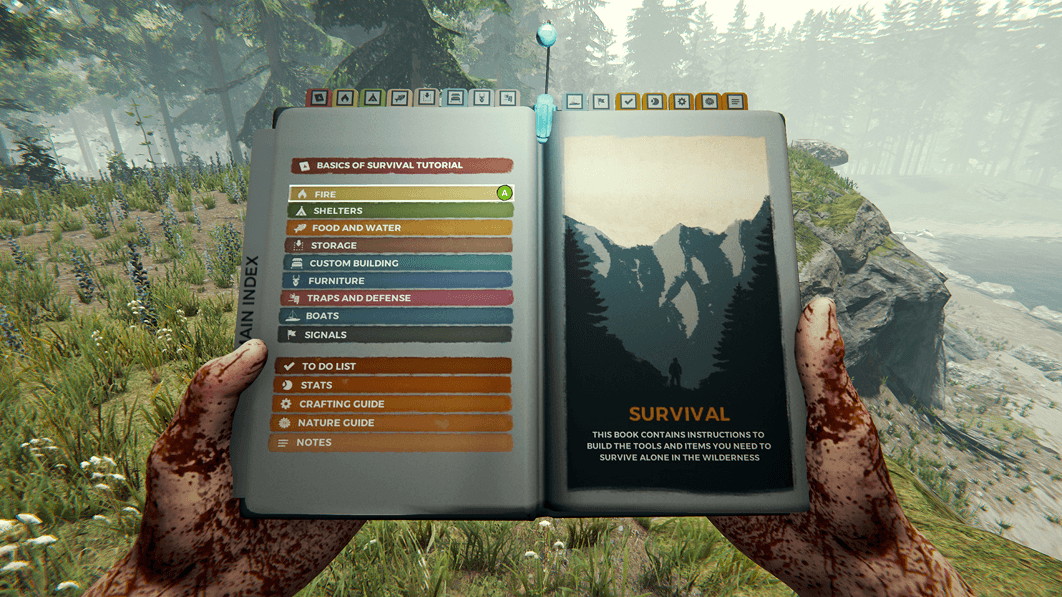
Survival Menu
I thought this was a clever way to show all items that are a player is able to craft, and it is intuitive to users since you use it the same you would with a real manual. Allowing for a more seamless experiences, and avoiding generic menus.
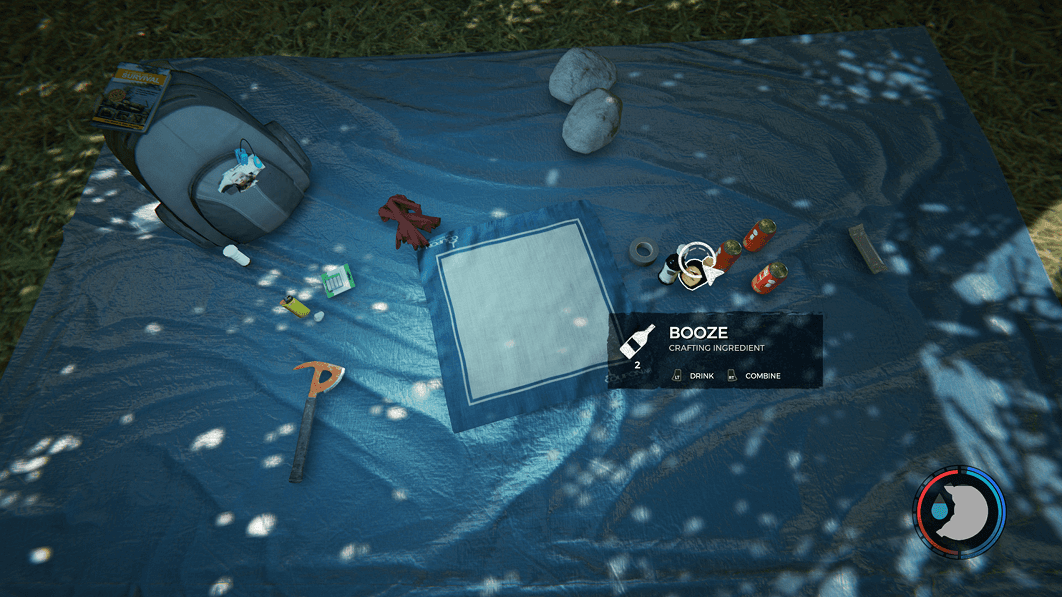
Inventory Menu
This is another clever way that the game uses to show your available inventory, rather than having a generic menu, you can hover on each item and select them or combine them with other items. This is also a very seamless way to integrate inventory, and it’s highly interactable.
Conclusion
This project brings together research, user insights, and thoughtful design to create a game that is fun, flexible, and engaging. Every mechanic and UI choice was crafted to support meaningful gameplay, replayability, and social play. The result is a player-focused experience that balances challenge and enjoyment for both solo and group sessions.